South Sudan’s Gender, Equity, and Social Inclusion Approach Ensures No One is Left Behind
This is one of the first examples of utilizing this framework to study the effectiveness of NTD campaigns and could help make access more equitable…
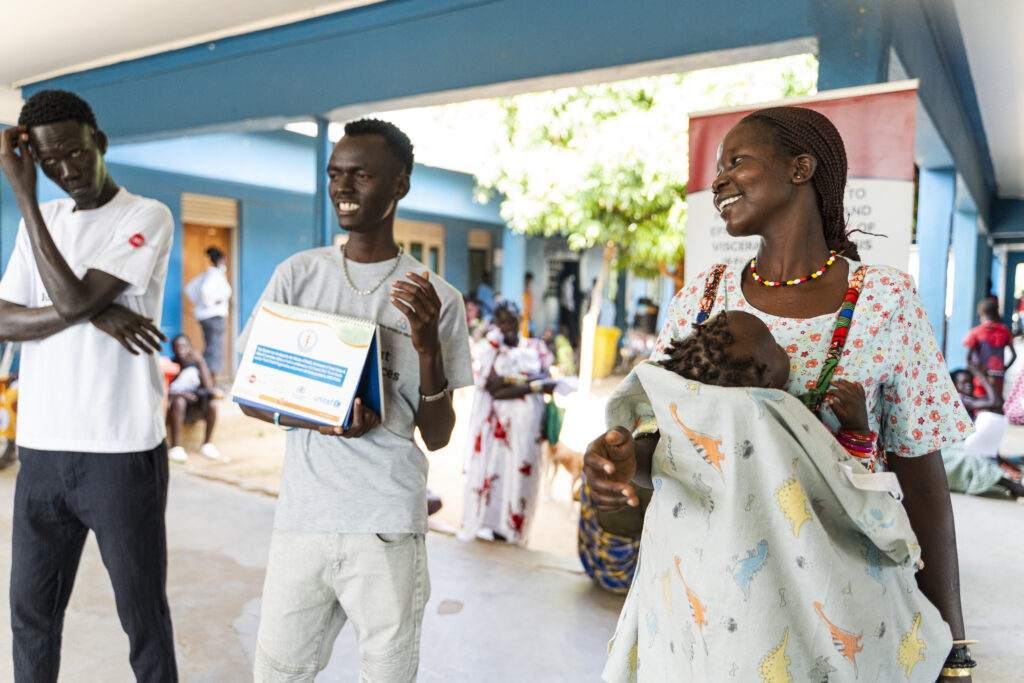
A county-wide study in South Sudan, grounded in a gender, equity, and social inclusion (GESI) analysis, revealed a critical truth: access to neglected tropical disease (NTD) treatment cannot be taken for granted. South Sudan has made great strides against onchocerciasis and lymphatic filariasis, with 4.1 million treatments supported by the END Fund from 2023– 2025. In Awerial County, six consecutive mass drug administrations (MDAs) have qualified the county for assessment surveys to determine whether transmission has been interrupted. If this milestone is achieved, more than 96,000 people may no longer require treatment.
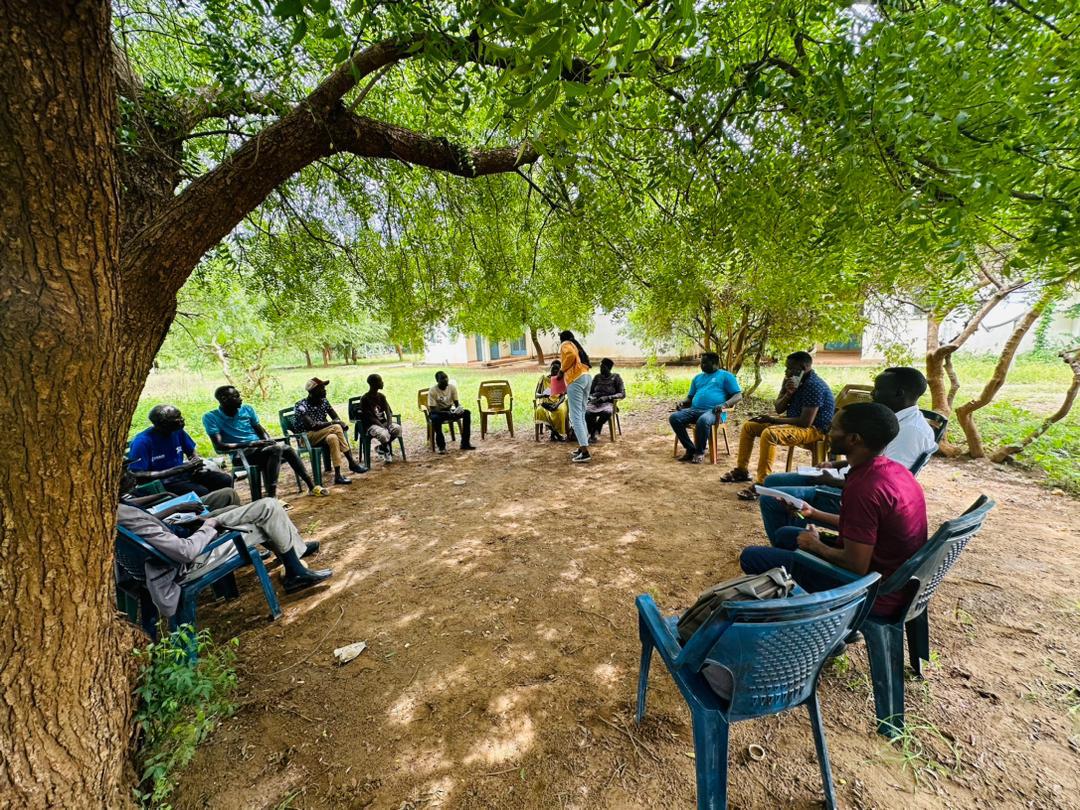
Despite strong treatment coverage, partners did not consider the remaining gaps acceptable or the work complete. In 2024, the ARISE Fund supported a study conducted with the Ministry of Health, WI-HER, Christian Blind Mission, and The Carter Center in Awerial and Kapoeta counties. Focus groups and surveys were held with community members and Boma Health Workers (Ministry of Health employees who distribute drugs and information). The study explored reasons for missing treatment, beliefs about MDA and NTD medications, and barriers to access. The focus was intentionally on marginalized groups, including women, pastoralist communities, people with disabilities, and the elderly.
The findings were striking. Community trust in NTD medications and Boma Health Workers was high, and encouragingly, most women felt empowered to accept or decline treatment by their own choice. However, nearly 30% of people who missed treatment were away from home when MDA campaigns took place, and the majority of them were women. Chores like fetching water or tending animals take them away from the village. The elderly, people with disabilities, and pregnant women also face challenges accessing MDA. “They can walk [to receive treatment], I can’t,” said one person. Inclusive support is key to overcoming these challenges, such as prioritizing outreach to women and providing mobility assistance.
A central finding across sections is the disconnect between perceived equity at the community level and documented barriers at the individual level: while most respondents believed healthcare and MDA access were equitable for all, a substantial proportion simultaneously reported structural barriers that prevented their own participation.
One pastoralist said, “It is the distance and the rain, when I was in the cattle camp, and there was no way for the doctor to reach there, which was the reason I did not take the medicine.” Paths turn to impassable mud during the rainy season, and health workers cannot pass on foot. “[We cannot reach persons] on the other side of the river… unless [a] motorcycle is provided which can take people for medicine distribution,” said one Boma Health Worker. Partners recommended setting up mobile clinics closer to cattle camps and providing health workers with transportation and equipment to ease the journey.
Others declined treatment out of fear of side effects. A Boma Health Worker explained this was “because when someone hears [about] a reaction or side effect of the medicine.” Overcoming barriers to information is crucial to increasing acceptance of NTD treatment.
“Some of us do not know how to read or write,” explained one health worker. “[If we can’t read guidelines for] the way the medicine is used… we cannot know the new diseases and way of treatment.” The study recommended literacy support for health workers to equip them with information and gender-sensitive messaging delivered through trusted sources such as women’s groups and religious leaders. Communities especially trust the Boma Health Workers, who listen and patiently discuss their questions.
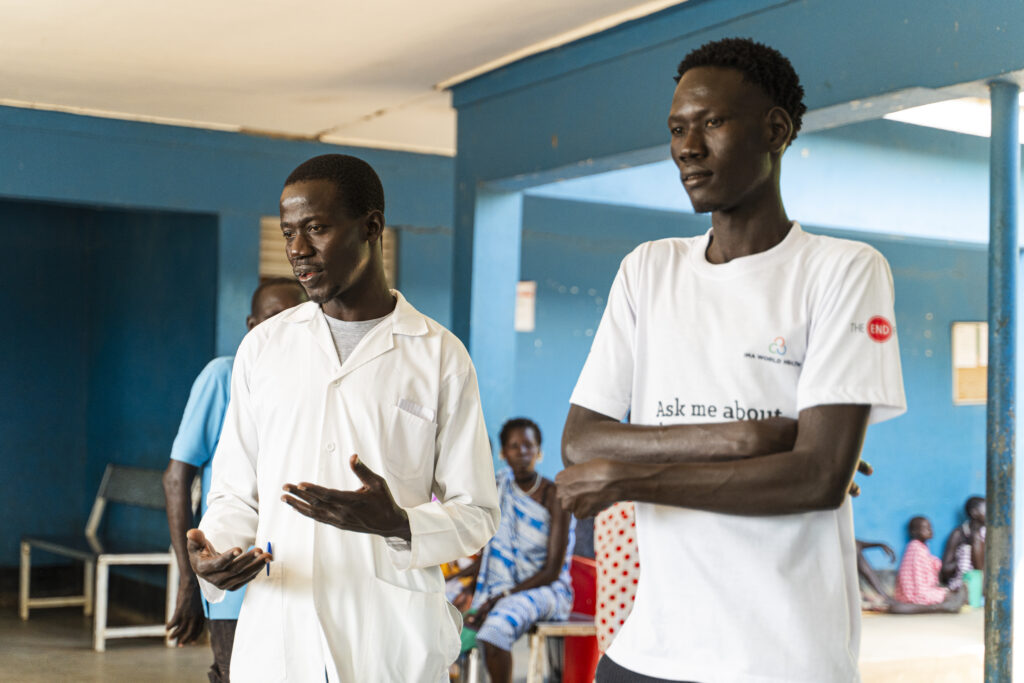
Following the study, trusted female community members trained through the GESI approach returned to 36 households that had been missed in the previous MDA round. They engaged neighbors, addressed long-standing concerns, and helped rebuild trust. In one instance, a community member walked for hours through flooded terrain to reach a woman who had refused treatment. She listened, explained, and stayed until the woman agreed to take the medicine. This kind of personal trust underpins elimination efforts.
NEARLY 1 IN 5 who did not receive treatment said drug distributors did not reach them.
This study in Awerial exemplifies an approach that can be scaled across South Sudan’s most endemic counties, increasing the potential to reach tens of thousands of individuals who were previously missed.
Applying GESI principles to improve MDA access is also underway in other countries supported by the END Fund, including Ethiopia, where GESI training reached participants across seven regions; Senegal, where programs were redesigned to reach out-of-school children and remote households; and Kenya, where GESI guidelines were integrated into county-level working groups to reach island and forest communities.
By investing in evidence-based, inclusive frameworks, the ARISE Fund shows that, with data, community trust, and adaptive programming, we can indeed leave no one behind.